
Making Tax Digital Exemptions: Who Can Apply and How
Find out who may be exempt from MTD for Income Tax, what digital exclusion means, how to apply to HMRC, and what to do while waiting for a decision.
Published 12 Jun 2026
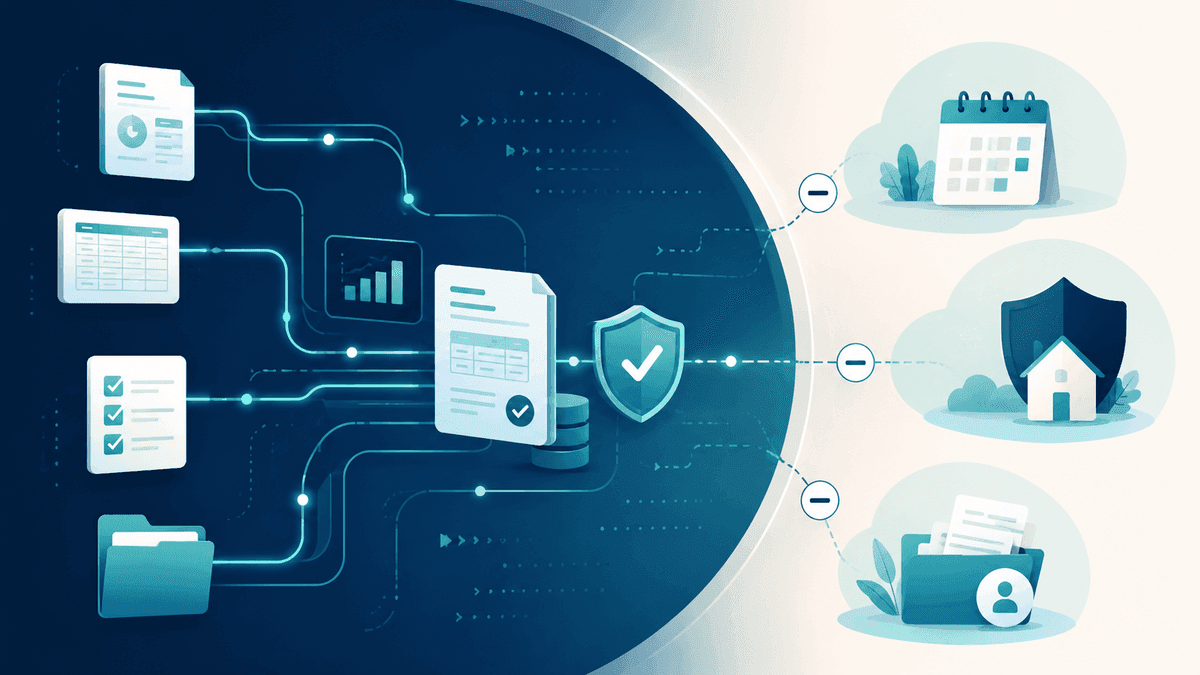
Making Tax Digital for Income Tax is mandatory for many sole traders and landlords above the qualifying-income threshold, but HMRC recognises that some people cannot reasonably use digital tools.
An exemption is not based on disliking software or preferring paper. It is for specific circumstances, including digital exclusion, and HMRC decides applications individually.
What does digitally excluded mean?
You may be able to apply if it is not reasonable or practical for you to use software because of your age, health condition, disability, religious beliefs or lack of internet access at your location.
HMRC considers your circumstances and whether help from someone else would make digital filing possible. Explain the practical barrier clearly, including why available support or adjustments would not solve it.
What is not normally enough?
HMRC says you cannot get an exemption simply because you have previously filed paper returns, are unfamiliar with software, have only a small number of records, or believe digital filing will cost more or take longer. Those concerns are real, but they do not automatically meet the exemption test.
How to apply
You can apply to HMRC by phone or in writing. Be ready to explain:
- why you cannot use compatible software;
- what support, equipment or internet access you have tried;
- whether someone else could reasonably help you; and
- how your circumstances affect digital record keeping and submissions.
HMRC says it aims to respond within 28 days. Read the current contact details and process on GOV.UK before applying: apply for an MTD for Income Tax exemption.
What should you do while waiting?
Do not assume the application has been accepted. HMRC's guidance says to continue preparing to use MTD while you wait for a decision. Keep your records and watch your deadlines. If HMRC refuses the application, the decision letter should explain what happens next.
Automatic and temporary exemptions
Some people are automatically exempt or temporarily outside the rules because of their circumstances. These categories can change and contain important conditions, so check HMRC's current exemption guidance rather than relying on a summary.
An exemption does not erase your tax obligations
An MTD exemption changes how you meet the digital requirements. It does not remove the need to report taxable income, submit any required tax return or pay tax on time.
If software feels difficult but you are not exempt
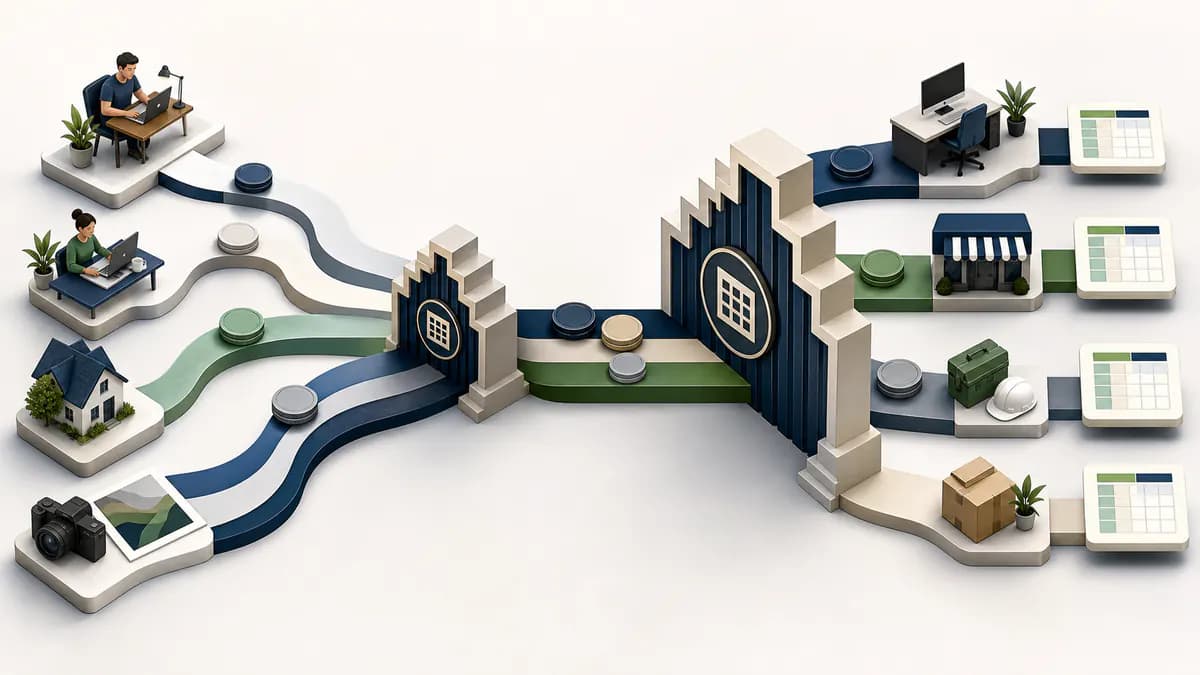
You do not necessarily need a full accounting system. A spreadsheet counts as a digital record, and bridging software can send the summary figures to HMRC. Flonancial is free and designed for straightforward sole-trader and UK-property quarterly updates, but anyone who cannot reasonably use digital tools should speak to HMRC about support or exemption rather than struggling in silence.
More on getting started
Why is flonancial free? What's the catch?
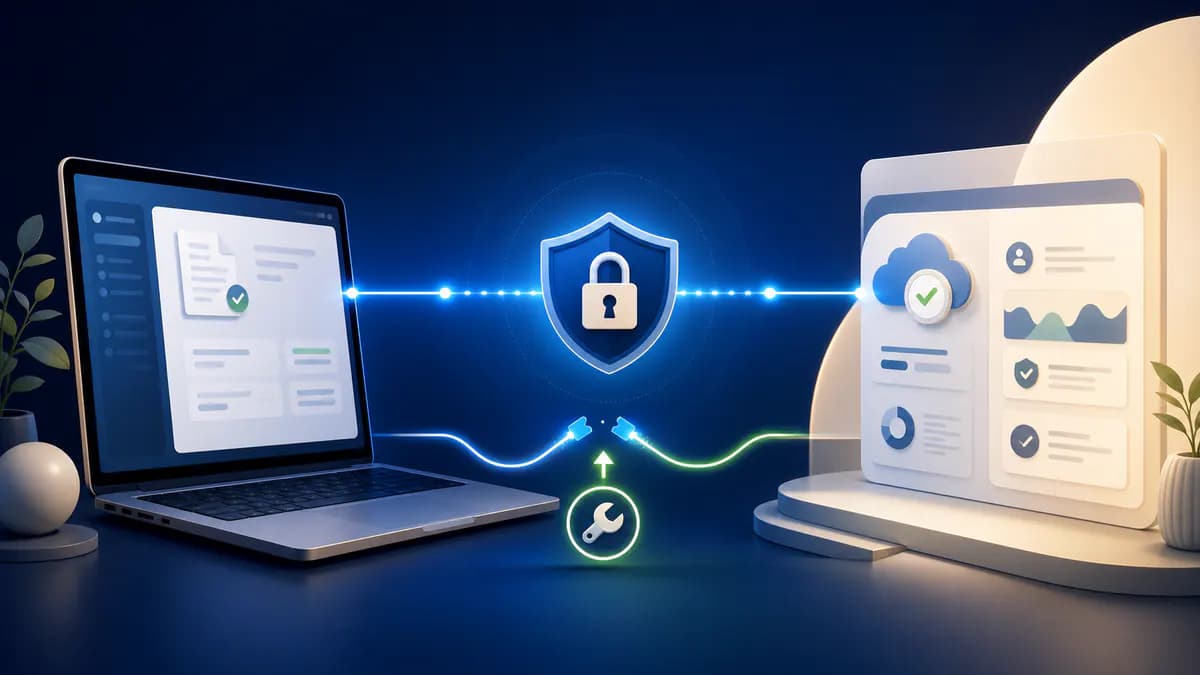
There isn't one. Your spreadsheet is parsed in your browser, the file never touches our servers. HMRC's API is free to use. We never see your individual transactions or bank details, we don't sell your information, and we don't show you ads. The mandatory MTD pieces, quarterly updates and the year-end tax return, will always be free.