
Do I Need Making Tax Digital? A Quick Eligibility Check
Find out if Making Tax Digital applies to you. Check the income thresholds, exemptions, and timeline for MTD for Income Tax.
Published 12 Mar 2026
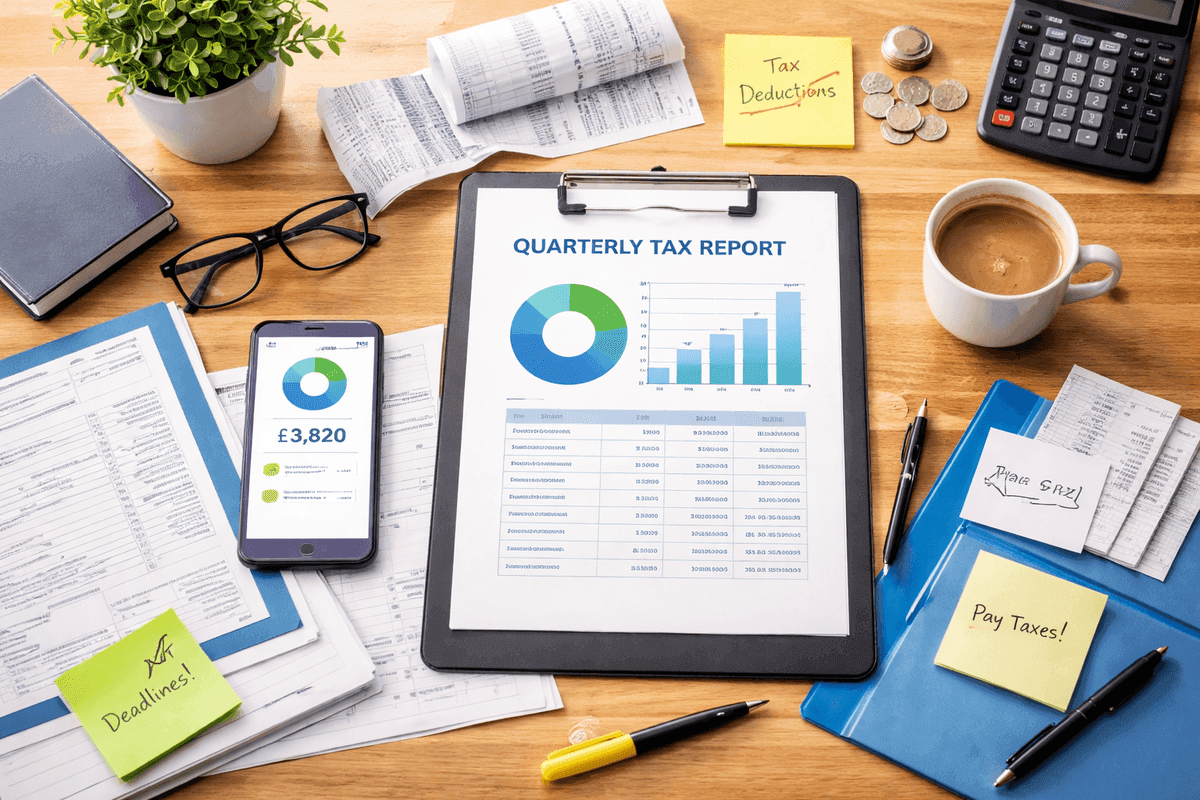
Not sure if Making Tax Digital affects you? Here's a quick way to check.
The basic rule
You need to comply with MTD for Income Tax if:
- You are self-employed (sole trader) or receive income from UK property
- Your qualifying income exceeds the threshold
The thresholds and timeline
| Start date | Income threshold |
|---|---|
| 6 April 2026 | Over £50,000 |
| 6 April 2027 | Over £30,000 |
| 6 April 2028 | Over £20,000 |
What counts as qualifying income?
It's your gross income from self-employment and/or property, before expenses. If you have both a sole trader business and rental income, you add them together.
Employment income (PAYE salary) doesn't count towards the threshold. Only self-employment and property income counts. For example, a landlord earning £45,000 in salary plus £10,000 in rent has qualifying income of just £10,000, they wouldn't need MTD until the threshold drops to cover them.
Who is exempt?
You don't need MTD if:
- Your qualifying income is below the current threshold
- You are a partnership (MTD for partnerships has been delayed)
- You are a limited company (MTD for Corporation Tax is separate and not yet confirmed)
- You have a reasonable excuse (e.g. serious illness, disability), you can apply for an exemption
- You are digitally excluded (e.g. no internet access, religious objection to computers), rare, but HMRC does grant exemptions
I'm not sure if I qualify
Check your most recent Self Assessment return. Look at your gross self-employment income and/or property income (before expenses). If either or both together exceed the threshold, you need MTD.
If you're close to the threshold, HMRC will use the figures from your most recent tax return to determine whether you're in scope.
What do I need to do?
If MTD applies to you:
- Sign up for MTD through your Government Gateway account
- Keep digital records of your income and expenses (a spreadsheet counts)
- Submit quarterly updates using compatible software
- File a year-end tax return at the end of the tax year
Flonancial handles step 3 for free. You keep your spreadsheet, upload it each quarter, and submit.
More on getting started

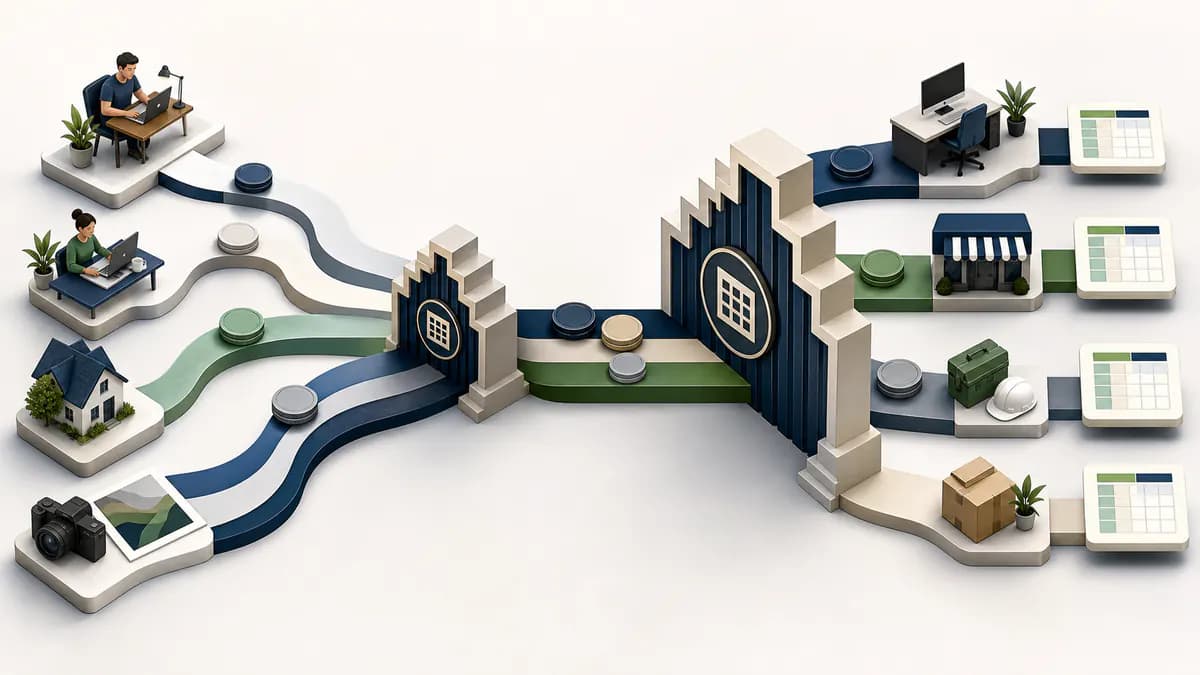
Why is flonancial free? What's the catch?
There isn't one. Your spreadsheet is parsed in your browser, the file never touches our servers. HMRC's API is free to use. We never see your individual transactions or bank details, we don't sell your information, and we don't show you ads. The mandatory MTD pieces, quarterly updates and the year-end tax return, will always be free.