
HMRC Letter: 'You Will Need to Change the Way You Report Your Income': What It Means
Had an HMRC letter saying you will (or may) need to change the way you report your income and expenses? Here's what the Making Tax Digital letter means, whether it applies to you and what to do next.
Published 21 Oct 2026
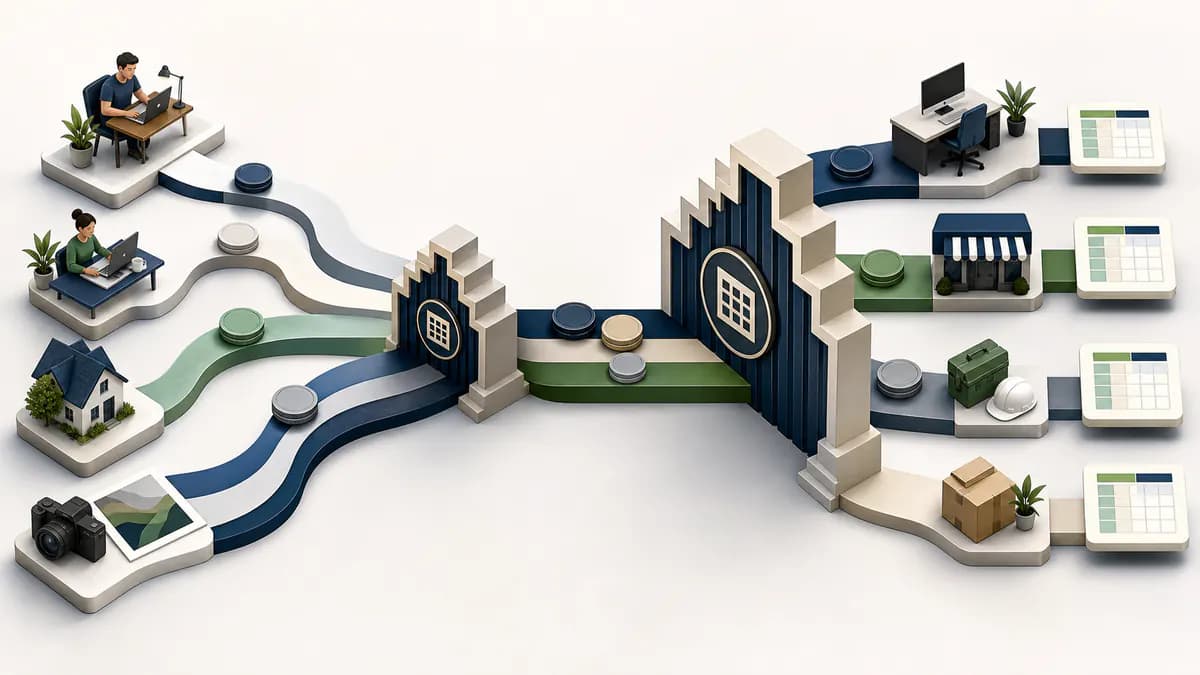
HMRC writes to sole traders and landlords before Making Tax Digital for Income Tax starts for them. The letters have headings like "You will need to change the way you report your income and expenses to HMRC" or, if HMRC isn't sure, "You may need to change the way you report your income and expenses to HMRC". Here's what they mean in plain English.
"You will need to change the way you report your income"
This letter means HMRC's records show your qualifying income, your self-employment and property income before expenses, was over the threshold. For the first group, that was over £50,000 in your 2024 to 2025 tax return, so you need to use Making Tax Digital from 6 April 2026.
It doesn't mean you've done anything wrong, and on its own it doesn't sign you up. It's telling you to get ready.
"You may need to change the way you report your income"
This version goes to people HMRC thinks could be affected, often those without an accountant. Check your qualifying income yourself: add up your self-employment turnover and your gross rents for the relevant year, before expenses. Our guide to qualifying income explains what counts.
What the letters ask you to do
- Get software that works with Making Tax Digital for Income Tax, to keep digital records, send quarterly updates and file your tax return. HMRC doesn't supply it.
- Sign up for Making Tax Digital for Income Tax on GOV.UK, unless HMRC has already signed you up.
- Talk to your accountant first, if you have one, and give them a copy of the letter.
- File your previous year's return as normal. Making Tax Digital only starts from the tax year the letter gives.
The letters also point out that, if you keep your records in a spreadsheet, you can use bridging software that connects your existing records to HMRC. That's exactly what flonancial does, for free.
If you're in the £30,000 group
From 6 April 2027 the threshold falls to £30,000, using qualifying income from your 2025 to 2026 return. If HMRC follows the same approach as for the first group, people in this group can expect similar letters before April 2027. You don't have to wait for one: if your qualifying income is over £30,000, you can get ready now.
What to do this week
- Check your qualifying income against the threshold in your letter.
- Check whether you might be exempt.
- Sign up, or check whether HMRC has already signed you up.
- Pick software. If you use a spreadsheet, flonancial is free and on HMRC's software list.
Is the letter real?
HMRC really is sending Making Tax Digital letters, some with a QR code. If you're unsure about one, go to GOV.UK yourself and search for "Making Tax Digital for Income Tax", rather than following the letter's links.
More on getting started
Why is flonancial free? What's the catch?
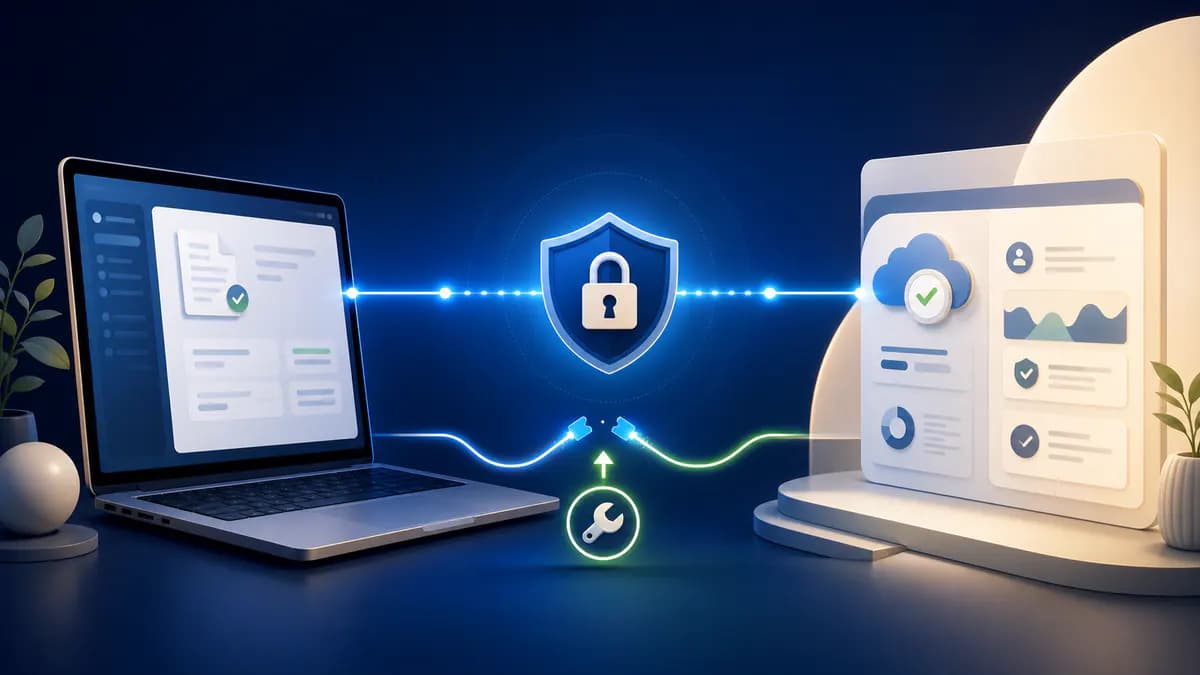
There isn't one. Your spreadsheet is parsed in your browser, the file never touches our servers. HMRC's API is free to use. We never see your individual transactions or bank details, we don't sell your information, and we don't show you ads. The mandatory MTD pieces, quarterly updates and the year-end tax return, will always be free.